Could a Mouth Guard Help You Sleep Better?
Posted on 5/15/2026 by Masci & Hale Advanced Aesthetic and Restorative Dentistry |
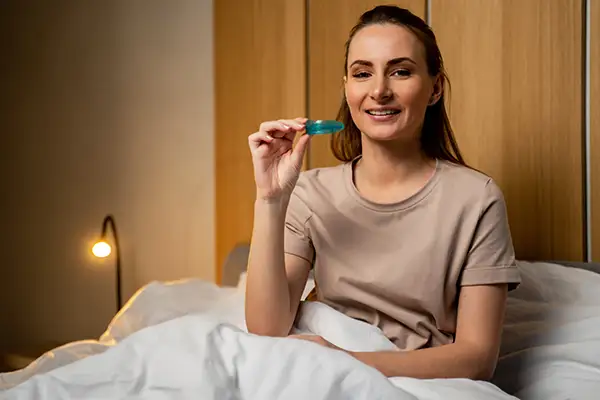 Are you waking up with a sore jaw, headaches, or sensitive teeth? Believe it or not, the answer to a more restful night and a healthier smile might be simpler than you think. It could be a mouth guard! Many people clench or grind their teeth at night, often without even realizing it. This habit, called bruxism, can lead to some pretty uncomfortable and potentially damaging consequences. Let's explore how a mouth guard might be the solution you've been searching for. Are you waking up with a sore jaw, headaches, or sensitive teeth? Believe it or not, the answer to a more restful night and a healthier smile might be simpler than you think. It could be a mouth guard! Many people clench or grind their teeth at night, often without even realizing it. This habit, called bruxism, can lead to some pretty uncomfortable and potentially damaging consequences. Let's explore how a mouth guard might be the solution you've been searching for.
What is Bruxism and Why is it a Problem?
Bruxism involves unconsciously clenching your jaw and grinding your teeth, typically while you sleep. The pressure and friction generated can wear down your tooth enamel, leading to increased sensitivity, flattened or chipped teeth, and even jaw pain or temporomandibular joint (TMJ) disorders. Over time, bruxism can compromise your long-term oral care. Imagine the wear and tear on your teeth being similar to constantly using sandpaper on them.
How Does a Mouth Guard Help?
A mouth guard acts as a cushion between your upper and lower teeth. It prevents them from grinding together, absorbing the force of clenching and protecting your enamel. Think of it as a shock absorber for your jaw. By reducing the pressure and friction, a mouth guard can alleviate jaw pain, headaches, and tooth sensitivity associated with bruxism. It can also prevent further damage to your teeth, safeguarding any existing restoration dentistry work you may have had.
Types of Mouth Guards
There are several types of mouth guards available. Over-the-counter options can be found at most drugstores. These are generally less expensive, but they may not offer the best fit or long-term comfort.
A custom-fitted mouth guard, crafted by a dental professional, offers the most precise fit and optimal protection. Impressions of your teeth are taken to create a mouth guard that is tailored specifically to your mouth. This ensures a comfortable and secure fit, maximizing its effectiveness and encouraging consistent use.
Signs You Might Benefit From a Mouth Guard
Not sure if you're a bruxer? Here are some telltale signs:
| • |
Frequent headaches, especially in the morning |
| • |
Jaw pain or stiffness |
| • |
Sensitive teeth |
| • |
Worn down or chipped teeth |
| • |
Earaches (not related to an ear infection) |
| • |
Your sleeping partner hears you grinding your teeth |
If you experience any of these symptoms, it's a good idea to discuss them with a dental professional.
Beyond the Mouth Guard: Comprehensive Oral Care
While a mouth guard can be a valuable tool in managing bruxism, it's important to remember that it's just one piece of the puzzle. Maintaining good oral hygiene habits, such as brushing and flossing regularly, is essential for overall dental health. Regular dental check-ups are also crucial for monitoring your teeth for signs of bruxism and addressing any other oral health concerns. In some cases, stress management techniques or other therapies may be recommended in conjunction with a mouth guard to address the underlying causes of bruxism. Think of a mouth guard as a helpful tool within a comprehensive approach to oral health.
|
|