Is it Alright to Borrow Your Spouse's Toothbrush?
Posted on 5/1/2026 by Masci & Hale Advanced Aesthetic and Restorative Dentistry |
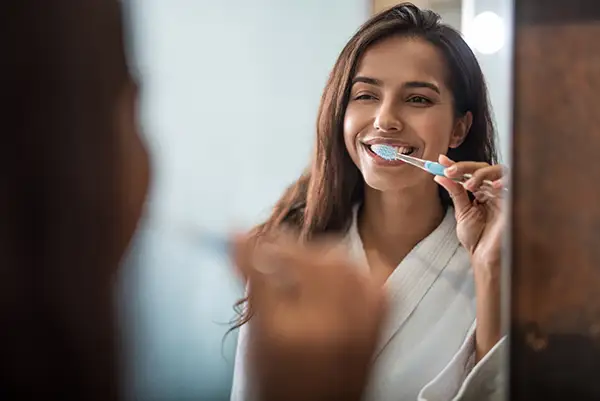 Have you ever been in a pinch, maybe traveling or just in a hurry, and thought about grabbing your spouse's toothbrush? It seems harmless enough, right? But when it comes to oral care, seemingly small habits can have a significant impact on your health. Let's dive into why sharing toothbrushes isn't the best idea. Have you ever been in a pinch, maybe traveling or just in a hurry, and thought about grabbing your spouse's toothbrush? It seems harmless enough, right? But when it comes to oral care, seemingly small habits can have a significant impact on your health. Let's dive into why sharing toothbrushes isn't the best idea.
The Microscopic World on Your Toothbrush
Your mouth is home to a complex ecosystem of bacteria, viruses, and fungi. Some of these are beneficial, helping with digestion, while others can cause problems like cavities or gum disease. When you brush your teeth, some of these microorganisms transfer to your toothbrush. This is perfectly normal and happens to everyone.
However, when you share a toothbrush, you're also sharing those microorganisms with another person. While you might be perfectly healthy, your spouse could be carrying bacteria or viruses that your body isn't used to fighting off. This is especially true if one of you has a cold, the flu, or a more serious infection.
The Risk of Cross-Contamination
Even if you and your spouse appear healthy, sharing a toothbrush can still lead to cross-contamination. Think about it: tiny amounts of blood can get on your toothbrush, especially if you have any gum inflammation. This blood can carry bloodborne illnesses. While the risk of transmission is low, it's still a risk, and one that's easily avoided.
Additionally, different people have different oral hygiene needs. Your spouse might have specific oral care needs that require a particular type of toothbrush or brushing technique. Using their toothbrush, even once, may not effectively clean your teeth and gums.
What About After a Kiss?
Some people argue that if you're kissing someone, you're already sharing saliva and microorganisms. While that's true, the concentration of bacteria on a toothbrush is much higher than what's exchanged during a kiss. Plus, the bristles of a toothbrush can trap bacteria and allow them to multiply.
Best Practices for Toothbrush Hygiene
To keep your mouth healthy and avoid unnecessary risks, it's best to stick to a few simple guidelines:
| • |
Use your own toothbrush: This is the most important rule. Each person should have their own toothbrush and avoid sharing it with anyone else. |
| • |
Rinse your toothbrush thoroughly: After brushing, rinse your toothbrush with tap water to remove any remaining toothpaste and debris. |
| • |
Store your toothbrush properly: Store your toothbrush upright in a dry place, away from other toothbrushes. This helps prevent the growth of bacteria. |
| • |
Replace your toothbrush regularly: The American Dental Association recommends replacing your toothbrush every three to four months, or sooner if the bristles are frayed. Frayed bristles are less effective at cleaning your teeth. |
| • |
Consider individual covers: If you are traveling, consider using individual toothbrush covers. Be sure the cover allows the toothbrush to dry to prevent bacteria from multiplying. |
Prevention Dentistry and Your Health
Maintaining good oral hygiene is a vital part of overall health. By following these simple tips, you can reduce your risk of infection and keep your smile healthy. Remember, investing in your oral health is an investment in your overall well-being. Prevention dentistry is key. Using your own toothbrush is a simple, yet important step you can take to protect yourself and your loved ones.
|
|