How Strokes Are Connected to Poor Oral Health
Posted on 3/2/2026 by Masci & Hale Advanced Aesthetic and Restorative Dentistry |
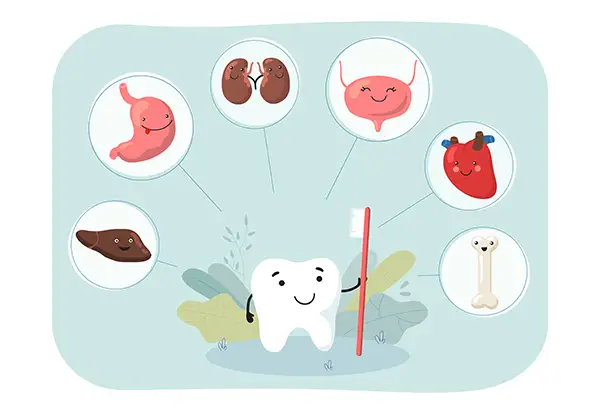 Did you know that taking care of your mouth can actually help protect your brain? It might sound strange, but research shows a link between what's happening in your mouth and your risk of having a stroke. Let's explore how these two seemingly different areas of your body are connected. Did you know that taking care of your mouth can actually help protect your brain? It might sound strange, but research shows a link between what's happening in your mouth and your risk of having a stroke. Let's explore how these two seemingly different areas of your body are connected.
The Culprit: Bacteria
Your mouth is home to all sorts of bacteria, some good and some not so good. When you don't brush and floss regularly, the bad bacteria can thrive. This can lead to gum disease, also known as periodontal disease. Gum disease is an infection of the gums that, if left untreated, can damage the soft tissues and bone that support your teeth.
The real problem starts when these bacteria enter your bloodstream. This can happen during everyday activities like brushing your teeth, or even chewing. While a healthy body can usually fight off these invaders, people with severe gum disease have a much higher and more consistent level of these bacteria in their blood.
Traveling Through the Body
Once in the bloodstream, these bacteria can travel throughout the body, causing inflammation in various areas. This is where the connection to strokes becomes clear. Inflammation in the blood vessels, especially those leading to the brain, can contribute to the formation of blood clots. These clots can block blood flow to the brain, leading to a stroke.
Different Types of Strokes
A stroke happens when blood supply to the brain is interrupted. There are two main types:
| • |
Ischemic Stroke: This is the most common type and occurs when a blood clot blocks an artery supplying blood to the brain. |
| • |
Hemorrhagic Stroke: This happens when a blood vessel in the brain ruptures and bleeds. |
While the link between oral bacteria and ischemic strokes is stronger, some research suggests that gum disease can also increase the risk of hemorrhagic strokes due to the weakening of blood vessel walls caused by chronic inflammation.
Protecting Yourself
The good news is that you can significantly reduce your risk of both gum disease and stroke by taking good care of your mouth. Here are some key steps:
| • |
Brush your teeth twice a day: Use fluoride toothpaste and brush for at least two minutes each time. |
| • |
Floss daily: Flossing removes plaque and bacteria from between your teeth, where your toothbrush can't reach. |
| • |
See your dentist regularly: Regular checkups and cleanings allow your dentist to detect and treat gum disease early on. They can also identify other potential oral health problems. |
| • |
Maintain a healthy lifestyle: Eating a balanced diet, avoiding smoking, and managing conditions like diabetes can all contribute to better oral and overall health. |
The Role of Restoration Dentistry
Sometimes, even with good oral care, teeth can become damaged or lost due to decay or injury. Restoration dentistry, which includes procedures like fillings, crowns, and implants, plays a crucial role in maintaining oral health and preventing further complications. By restoring damaged teeth and replacing missing ones, restoration dentistry helps to maintain proper chewing function, prevents the shifting of teeth, and reduces the risk of developing gum disease. This, in turn, contributes to overall health and helps to lower the risk of stroke.
Taking proactive steps to maintain excellent oral care is not just about having a healthy smile; it’s about protecting your overall health, including your brain. By prioritizing oral hygiene, you can significantly reduce your risk of stroke and enjoy a healthier, happier life.
|
|