Mouthguards
Prevent Damage & Future Dental Work
Protect Your Teeth With a Mouthguard in the Hudson Valley
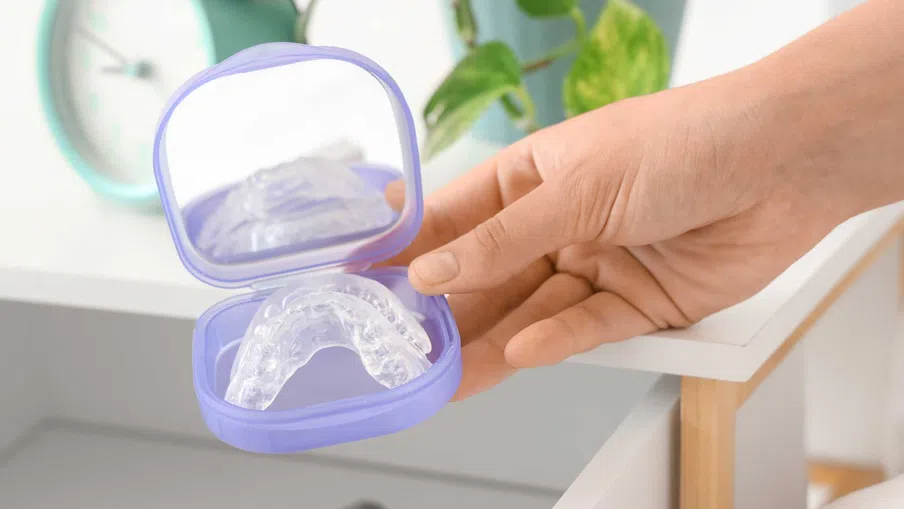
Protecting your teeth from grinding, clenching, or a hard hit on the field starts with a mouthguard in the Hudson Valley that's made just for your mouth. Custom fitted from a digital scan of your teeth, your oral appliance stays comfortably in place instead of shifting.
A well-fitted guard absorbs pressure that would otherwise wear down or crack your teeth, whether from nighttime grinding or a collision during sports. Unlike bulky, one-size options from a store shelf, a custom piece fits your mouth comfortably and stays put during use.
Discover the Benefits of a Custom-Fit Mouthguard
Prevents Tooth Damage
Absorbing the force of grinding or impact protects your teeth from cracks, chips, and the wear that flattens enamel over time.
Custom, Secure Fit
Made from a digital scan of your teeth, the custom guard precisely matches your bite, so it stays in place without feeling bulky or sliding.
Protects Jaw Joints
Cushioning the bite reduces strain on the jaw joint. This can ease tension headaches and jaw soreness linked to nighttime grinding or clenching.
Comfortable Wear
A thinner, custom profile fits more naturally in the mouth than a generic guard. It's easier to wear consistently while sleeping or playing.
Understand the Process for Getting a Custom Mouthguard
Fitting a professional mouthguard starts with a digital scan of your teeth and bite, replacing the messy impressions once standard in dentistry. Your dentist also checks for signs of grinding, clenching, or jaw strain during this visit, which helps determine the thickness and coverage your guard needs.
A guard designed for nighttime grinding differs from one made for athletic use, since each addresses a different type of force on the teeth. A grinding guard focuses on cushioning the bite evenly, while a sports guard adds extra coverage around the front teeth to absorb impact.
Bring your guard with you to your regular checkups. We'll do a quick check of your guard's fit, since bite changes or normal wear can affect how well it protects your teeth. Replacing a worn guard keeps it working the way it was designed to from the start.
To protect your smile with a mouthguard in the Hudson Valley, contact our team today.
Frequently Asked Questions About Mouthguards
Q What is a mouthguard?
A mouthguard is a removable device worn over the teeth to protect them from damage caused by grinding, clenching, or impact during physical activity or sports. Custom versions are molded to fit an individual's teeth precisely, while store-bought versions come in generic sizes that fit more loosely and can feel bulky.
Q What's the difference between a custom and store-bought mouthguard?
A custom mouthguard is made from a scan or impression of an individual's teeth, offering a precise fit that stays securely in place during use and activity. A store-bought mouthguard is a generic size that can feel bulkier and not fit as precisely.
Q What is a night guard used for?
A night guard protects the teeth from the pressure of grinding or clenching during sleep, a condition many people are unaware they have until a dentist notices signs of wear during an exam. Over time, untreated grinding can flatten enamel, crack teeth, and contribute to jaw pain or morning headaches.
Q What is a sports guard used for?
A sports guard protects the teeth, lips, and gums from impact during contact sports or other physical activities where a blow to the face is a real possibility. It absorbs and spreads out the force of a hit, reducing the risk of chipped, cracked, or knocked-out teeth during competition or practice.
Q How is a custom mouthguard made?
A custom mouthguard is made using a digital scan or physical impression of the teeth, which is then sent to a lab that fabricates a mold matching the individual's exact bite and jaw. The finished guard is shaped from durable material designed to fit precisely over the teeth and gumline.
Q How long does a custom mouthguard last?
A custom mouthguard typically lasts one to three years, depending on how often it is worn and how much wear it experiences from grinding or repeated impact during regular use. Guards used nightly for teeth grinding often wear down faster than those used only occasionally during sports or seasonal physical activity.
Q What are signs a mouthguard needs replacing?
Signs that a mouthguard needs replacing include visible cracks, thinning material, a loose fit, or noticeable wear along the biting surface where teeth make contact. A guard that no longer stays in place or has lost its original shape provides less protection and should be evaluated at a dental visit.
Q How is a mouthguard cleaned?
Cleaning a mouthguard involves rinsing it with cool water after each use and brushing it gently with a soft toothbrush to remove saliva and buildup that collects over time. Storing it in a ventilated case, rather than a sealed container, helps it dry properly and prevents bacteria or mold from developing.


